

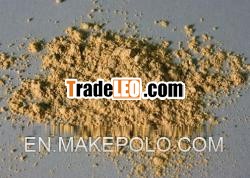
Description:
1) High quality.2) Reasonable price.
3) Delivery on time.
4) Quality Assurance.
SOY OVERVIEW INFORMATION
Soy comes from soybeans. The beanscan be processed into soy protein, which is a powder; soymilk,which is a beverage that may or may not be fortified withextracalcium from the soybeans; or soy fiber, whichcontains some of the fibrous parts of the bean.
Soy is used for highcholesterol, high blood pressure, and preventingdiseases oftheheart and blood vessels. It is alsoused for type 2 diabetes, asthma, lung cancer, endometrial cancer, prostate cancer, and thyroid cancer, aswell as preventing weak bones (osteoporosis), and slowingthe progression of kidney disease.
Other uses includetreating constipation and diarrhea, aswell as decreasing protein in the urine of people with kidneydisease, improving memory, and treating muscle soreness causedby exercise.
Women use soy for breastpain, preventing breast cancer,preventing hot flashesafter breast cancer,menopausal symptoms, and premenstrualsyndrome (PMS).
In foods, soy is used as a milksubstitute in infant feeding formulas, and as analternative to cow''s milk. Soybeans are eaten boiled or roasted.Soy flour is used as an ingredient in foods, beverages, andcondiments.
The active ingredients in soy arecalled isoflavones. A study of the quality of commerciallyavailable soy supplements suggests that less than25% of products contain within 90% of labeled isoflavone content.Paying more for a product doesn’t necessarily guarantee that thecontent shown on the label is accurate.
How does it work?
Soy contains "isoflavones" which arechanged in the body to "phytoestrogens, " which are similar to thehormone estrogen.
SOY USES & EFFECTIVENESS
PossiblyEffective for:
- High cholesterol. Eating soy proteinin place of other dietary protein seems to slightly reduce totalcholesterol and “bad cholesterol” (low-density lipoprotein(LDL) cholesterol levels). However, not all evidence ispositive. Some studies have shown no significantbenefit.
- Hot flashes causedby menopause. Eating soy protein seems to help hotflashes caused by menopause, but it doesn''t seem to help hotflashes in women with breast cancer.
- Reducing the risk of osteoporosis(weak bones), especially in women who have passed menopause. Mostevidence suggests that soy protein can increase bonemineral density (BMD), or slow BMD loss in women near orbeyond menopause. Soy does not seem to help BMD in youngerwomen.
- Reducing the risk of developingbreast cancer. Researchers think early exposure to soy may be key.Asian women who eat a traditional diet high in soyseem to be less likely to develop breast cancer. This benefitcontinues even when Asian women move to western cultures where soyis less likely to be a regular part of the diet. This suggests thatexposure to soy early in life (i.e., before menopause) provides themost protection against breast cancer.
- Reducing the duration of diarrhea ininfants.
- Preventing and treating diabeticnerve problems.
- Providing nutrition to infantswho can''t digest milk sugars.
- Reducing protein in the urine ofpeople with kidney disease.
- Treating diabetes type2.
- Treating infants who have troubledigesting lactose (galactosemia, hereditary lactosedeficiency, lactose intolerance).
PossiblyIneffective for:
- Reducing muscle soreness caused byexercise.
InsufficientEvidence for:
- Preventing thyroid cancer. Getting alot of soy from the diet might help to prevent thyroidcancer.
- Endometrial cancer. There is someevidence that increasing soy intake might lower the risk ofendometrial cancer. Endometrial cancer is less common in Japan,China, and other Asian countries where the usual diet is low incalories and high in soy and whole grain foods, vegetables, andfruits.
- Lung cancer. Research suggests thatmen and women who consume a higher amount of dietaryphytoestrogens, such as isoflavones from soy, are less likely todevelop lung cancer than people who consume smaller amounts. Soyseems to prevent lung cancer more in men than women.
- Prostate cancer. Research on theeffect of soy on prostate cancer risk has been mixed. Men who eatan Asian diet, which contains 10 times more soy than the averageAmerican diet, seem to have a lower risk of prostate cancer. But,it''s unclear whether it’s the soy in the diet of Asian men orother factors (such as genetic differences or differences indietary fat) that protect against prostate cancer.
- Improving memory. Some researchsuggests that a high soy diet might slightly improve performance onmemory tests.
- Reducing breast pain. There is somelimited evidence that soymilk (34 grams soy protein/day) mightreduce monthly breast pain in some women.
- Weight loss. Limitedevidence suggests that eating soy protein along with a low-caloriediet for six months seems to reduce weightin obese and overweight people more than alow-calorie diet alone.
- High blood pressure. Some evidencesuggests that eating soy protein might reduce systolic bloodpressure (the top number in a blood pressure reading) by about 4mmHg and diastolic blood pressure (the bottom number) by about 3mmHg in people with pre-high blood pressure or mild high bloodpressure. This is a relatively small reduction.
- Asthma.
- Premenstrual syndrome(PMS).
- Heart disease.
- Other conditions.


