

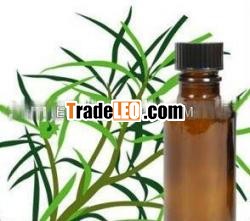
Description:
Tea Tree Oil
Botonicalname:Melaleuca alternifolia (Myrtaceae)
Plantpart:Leaves and twig tips
Extraction:steam distilled
Origin: Australia
Description:The Tea Tree is a small tree or shrub with needle-like leaves. Itcan grow up to 7 meters (20 feet) in height and thrives in marshyareas, though it is now cultivated in plantations.Tea Tree is apure oil, culled from the leaves of an evergreen tree native toAustralia. It has a long history of use in traditional healthpractices. Tea tree oil has powerful antiseptic properties andbactericidal properties against a wide range of Gram-negative andpositive bacteria, yeast and fungi. It has also been used to asmall extent in perfumes and cosmetics.
Commonuses:Tea tree oil has been used for various skin wounds/infections(e.g., cuts, burns, acne, fungal infections such as athlete''sfoot. The tea tree oil in commercial toothpastes and mouthwashes isgenerally considered to be acceptable because it is notswallowed.
Strength ofaroma:Medium
Blends wellwith:Cinnamon Bark, Clary Sage, Clove Bud, Geranium, Lavender, Lemon,Myrrh, Nutmeg, Rosewood, Rosemary and Thyme.
Aromatic scent: fresh, warm, spicy, medicinal andpungent.
History:Historically, the leaves were used as a substitute for tea, whichis how tea tree oil got its name. The part used medicinally is theoil from the leaves. Tea tree has a long history of traditionaluse. Australian aboriginals used tea tree leaves for healing skincuts, burns, and infections by crushing the leaves and applyingthem to the affected area.
Cautions:Not to be used if pregnant or breastfeeding.

