

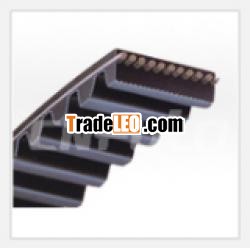
Quantity:100
Automotive Timing Belt Mold List (List data adjustedmonthly)
Automotive Timing belt raw materials: High-quality Japanese importsof neoprene (or hydrogenated nitrile rubber) as the main rawmaterials, distribution of the supplies, a variety of differentuses; Skeleton materials for the Japanese import quality glassfiber cord; Nylon belt tooth surface 66 high elastic fabrics doprotection, and in strict accordance with the technicalspecifications produced. A look clean, full profile, long servicelife, low noise characteristics.
Characteristics Automotive Timing belt
Neoprene synchronous belt:
Heat is good - can be at 120 C and below, the working environmentand long-term use;
Anti-aging is good - especially ozone-resistant properties mustgifted;
Good chemical stability: In addition to strong oxidizing acid, thechemical resistance of the general erosion;
Fire water-resistant properties well;
Hydrogenated nitrile rubber band:
Oil resistance excellent - oil resistance with very low inflation,higher oil resistance;
Durability good - dynamic performance than chloroprene rubber beltfor the gifted, is the first choice in the luxury car drivebelt;
Wear properties gifted - wear than small chloroprene rubber belt toreduce the noise, effectively extending the service life of thebelt;
HNBR Automotive Timing belt in the application:
Hyundai Motor because of energy-saving, environmental protection,comfort, and security requirements increasing, making the wholeengine room structure complex, compact, high working temperature,the rubber pieces which should have high temperatures performance.With the improved engine lubrication technology, the lubricantsused in a new additive, in the engine oil resistance of the rubberpieces to a higher demand. On the other hand, long maintenanceperiod, the durability of rubber pieces there are increasingly highrequirements. Hyundai Motor rubber pieces require oil resistance incertain conditions in the -40 C to 150 C transmission belt is theimportant automotive rubber parts, including OHC engine when usedwith the regulation that is synchronous belt, automotive auxiliarydrive V-belt use in cars and multi-wedge zone and the newlydeveloped CVT institutions (CTV) by the variable V-belt. Since 1975HNBR announcement of the first patents, HNBR is becoming today'sworld car production preferred standard synchronous belt elastomermaterial.
Modern cars on the synchronous belt specific requirements:
Durability increase 1.5 times higher than the bandwidth reduced20%; Increased 10 heat. Synchronous belt by the rubber, and fibertensile body (fiberglass or Kevlar), and composed of nylon clothtooth complex. HNBR manufactured synchronous belt whether fatiguelife, or the water-resistant properties than chloroprene rubber andchlorosulfonated polyethylene manufacturing synchronous beltperformance much better.


